🧭 Discover Your Parenting Profile
Discover your parenting strengths with The Parenting Compass™. Take the free quiz and unlock a playful family adventure with Tiko & Milo.
Meet Tiko & Milo! 🌳 Explore how confidence, emotions and a growth mindset help children flourish.
Every Child Has Their Own Way Into Learning.
Better Learners. Brighter Futures.
Helping children learn, grow, understand themselves, and find their place in the world.
A child’s love of learning doesn’t simply disappear. When a child resists learning, struggles to focus, disengages, or loses confidence, the problem isn’t always a lack of effort or motivation. Sometimes, we simply haven’t found the approach that works for them yet.
At Imaginologie® Education, we help parents and teachers better understand how children learn, so they can discover new ways to support their growth and development.
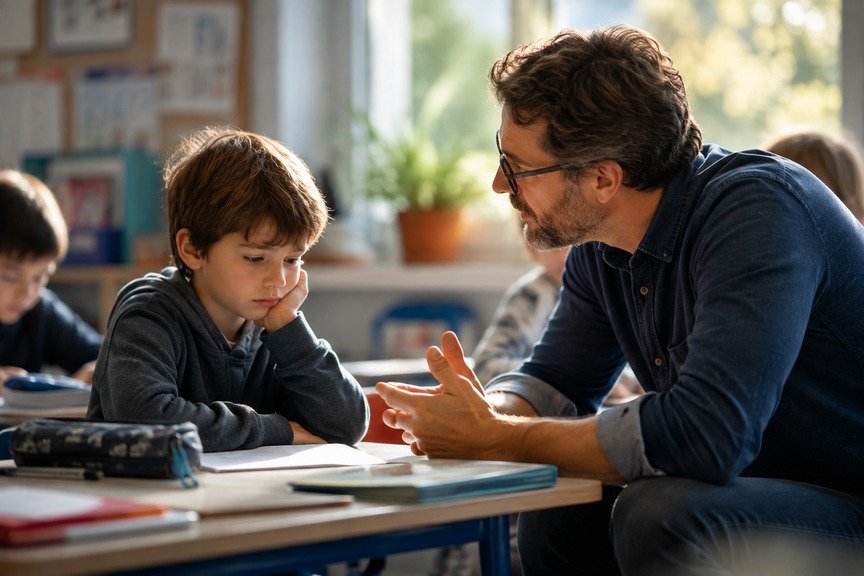
Understand Before You Correct
Behind a child’s restlessness, frustration, resistance, or withdrawal, there may be an emotion, an unmet need, or a cognitive challenge that deserves to be understood.
Understanding the Child
Explore how emotions, attention, development, and executive functions influence a child’s behavior and ability to learn.
Learning Differently
Move beyond one-size-fits-all teaching. Discover engaging, hands-on approaches that respect the different ways children learn, while challenging common myths about the brain.
Rediscovering the Joy of Learning
Help children build confidence, develop a positive sense of self, and reconnect with their natural curiosity.
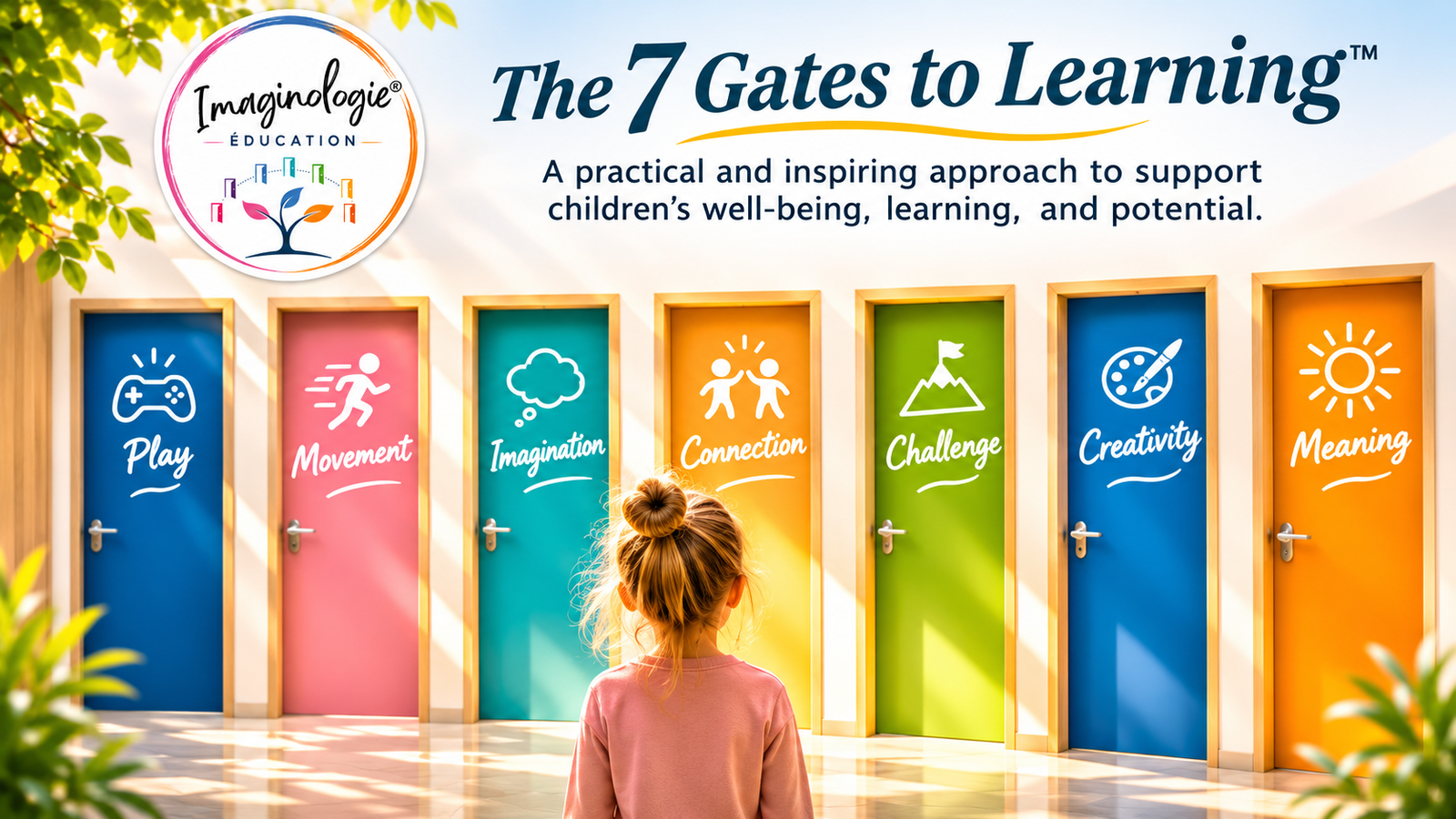
The 7 Pathways to Learning™
There is more than one way to help a child learn.
Every child brings unique strengths, interests, and experiences to the learning process. The 7 Pathways to Learning™ offer complementary ways to spark curiosity, encourage engagement, and make learning meaningful.
Play · Movement · Imagination · Connection · Challenge · Creativity · Meaning
These are not fixed learning styles or labels to place on children. They are different ways to engage children in learning, helping them explore, participate, and discover what works in different situations.
Why Do Some Children Lose Their Love of Learning?
Children Are Born Curious
Children naturally explore, experiment, ask questions, imagine, and create. For them, learning begins as an adventure. Yet as they move through school, some children gradually lose that curiosity. Homework becomes a daily struggle. School begins to feel meaningless. Confidence fades, and the excitement of discovering something new gives way to frustration.
But what if the child isn’t the problem?
Behind Every Behavior, There May Be an Unmet Need
When a child struggles, our first instinct is often to ask for more effort: “Pay attention.” “Try harder.” “You can do better.” These words may come from a place of care, but they don’t always address what’s making learning difficult.
A restless child isn’t necessarily refusing to follow the rules. A distracted child isn’t necessarily unwilling to learn. Behind what we see, there may be emotional distress, cognitive overload, a need for movement, difficulties with executive functioning, or an approach to learning that simply isn’t working for that child.
A Different Question Changes Everything
At Imaginologie® Education, we believe that understanding should come before correction.
Instead of asking, “Why won’t this child try harder?” ask, “What does this child need to feel capable, engaged, and ready to learn?”
That shift in perspective can change the relationship between adults and children. It opens the door to understanding, connection, and new possibilities.
There Is No Single Right Way to Learn
Some children become engaged through play. Others benefit from movement, hands-on exploration, imagination, creative expression, conversation, or understanding why something matters. The goal isn’t to fit every child into the same educational mold. It’s to offer different ways for children to engage with learning, develop their abilities, and move forward with confidence.
This philosophy inspired The 7 Pathways to Learning™.
A Different Vision of Education
Our mission is simple: to help parents and teachers understand children more deeply and support their potential.
Because when children rediscover the joy of learning, the benefits reach far beyond the classroom. They develop confidence, become more independent, begin to recognize their strengths, and gain the tools to approach the future with greater curiosity and resilience.
We don’t try to change who children are. We change how we support them.
For Parents
Discover a more compassionate way to understand your child’s needs, strengths, and learning challenges. Explore our free English-language resources.
For Teachers
Explore practical perspectives on attention, motivation, and meaningful learning. Explore our free English-language resources.